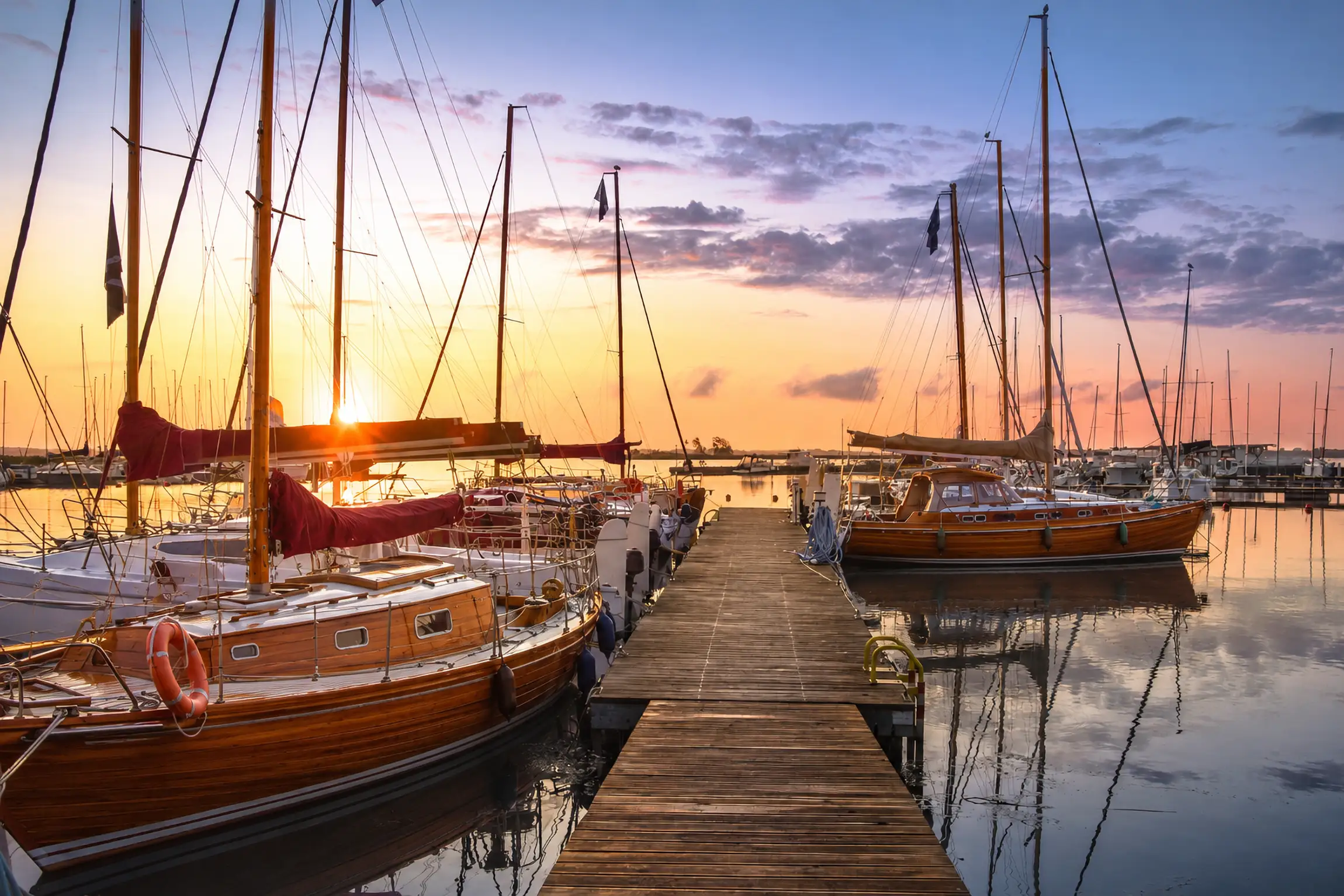
Some believe that diagonal (diagonal) plating was the swan song of wooden yachts. Others do not count diagonals as wooden or classic vessels (that’s not me, if you want to know). Personally, I think that diagonal hull plating is the only chance that wood (as the best building material in the world 😉 ) continues to be a material for building yachts.
But why exactly is this method special?
Because it gives a rigid, tight, strong and lightweight hull. I won’t elaborate here on the workings of the hull per se, the phenomena of “sad” and “happy” keel (eng. hogging and sagging), and why the proper ducturing of the carvel plating not only seals the hull but also stiffens the whole boat.
The important thing is that the diagonally (diagonally and alternately) stacked layers of sheathing act as bracing in the hall, pinning everything together into a very strong structure.
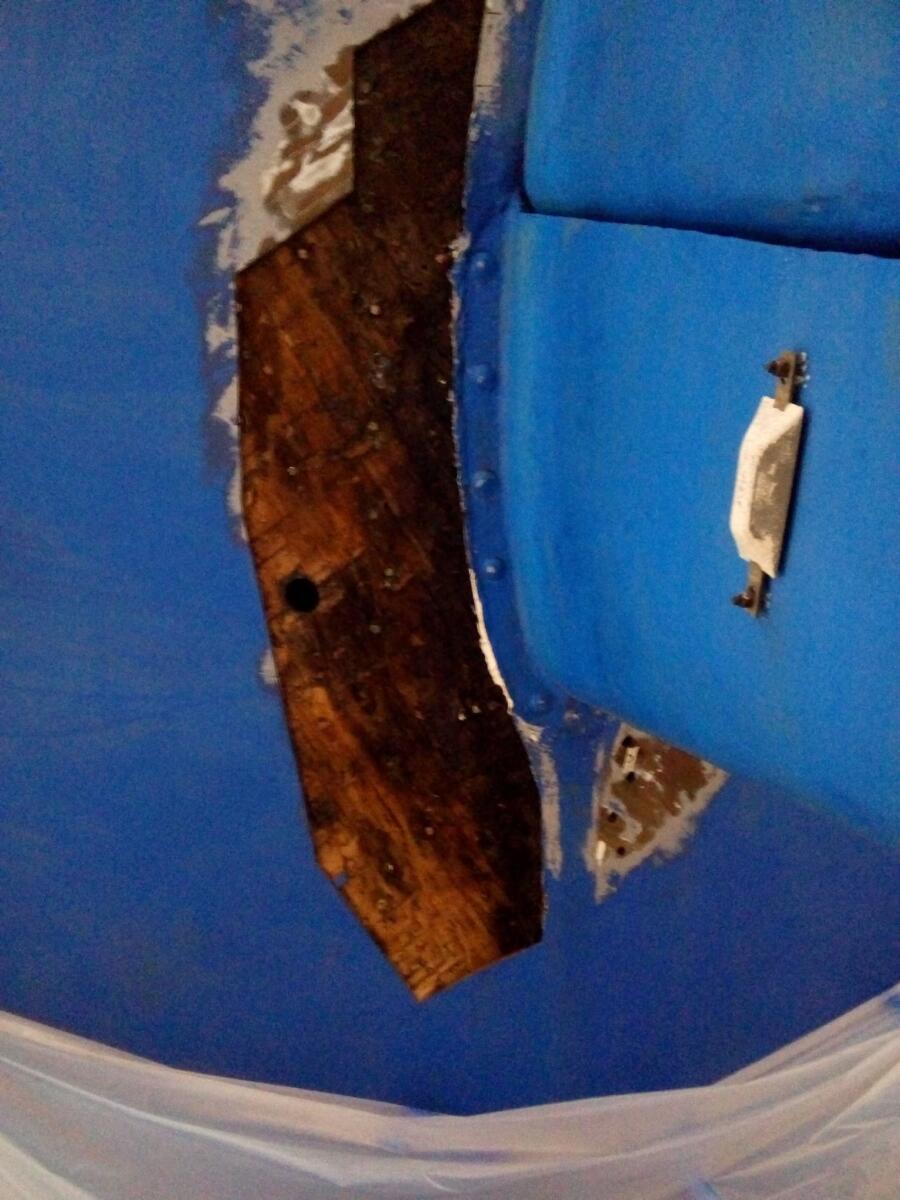
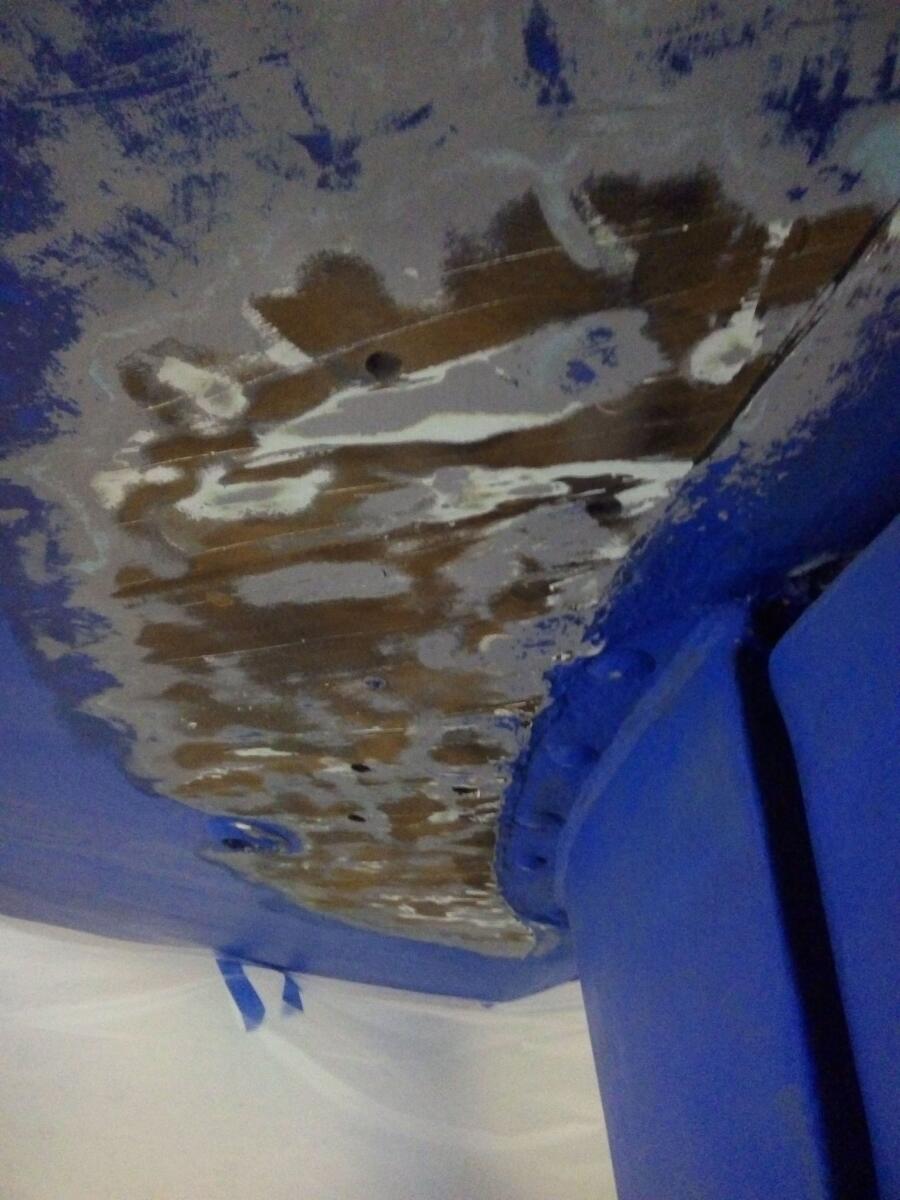
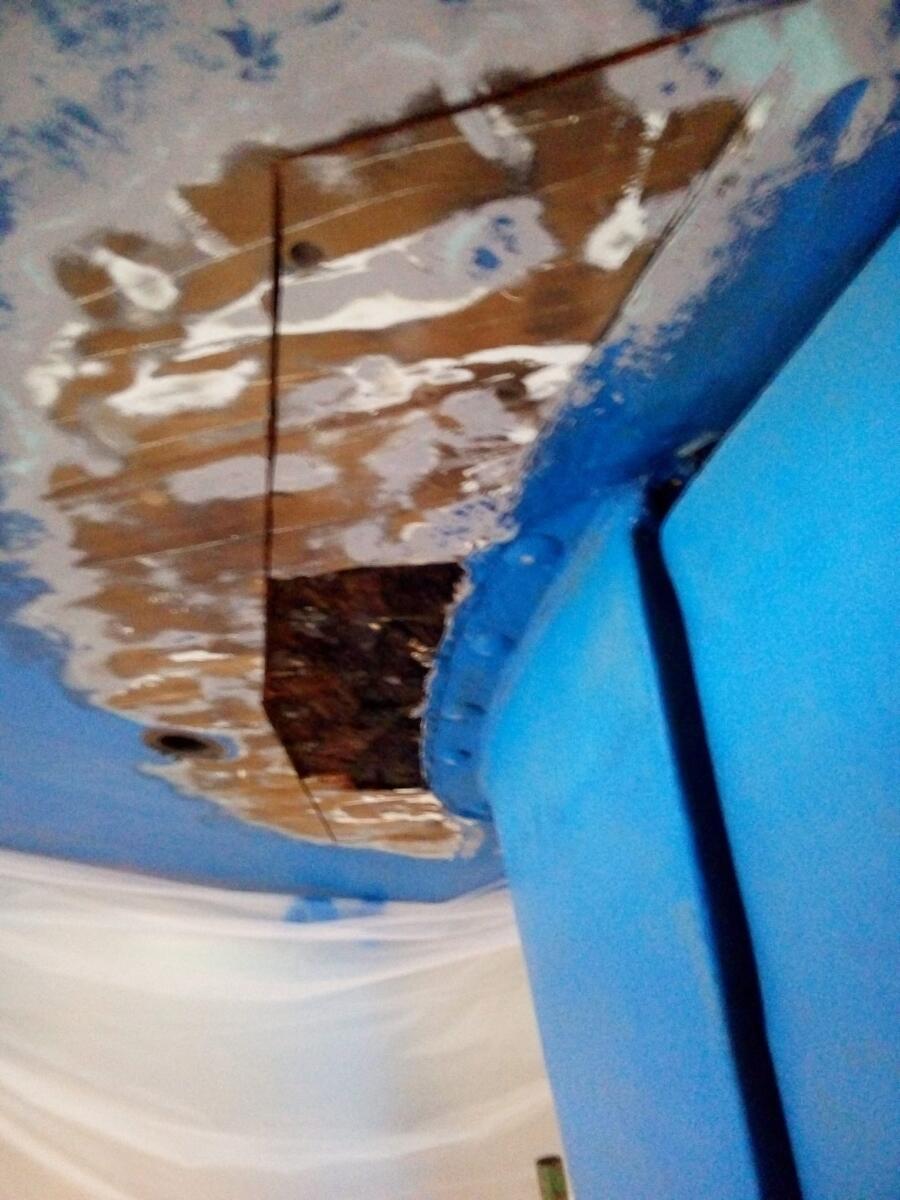
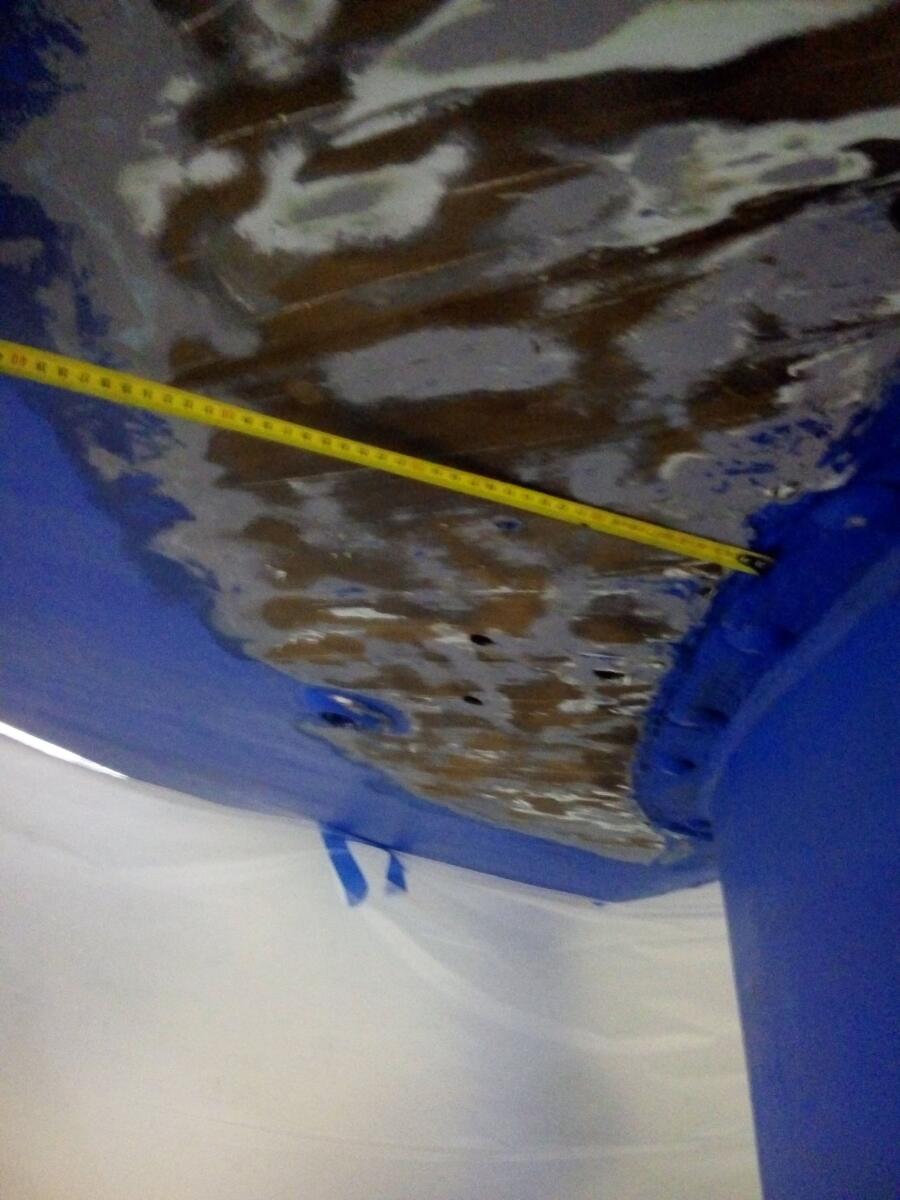
Why do I mention all this? Because another diagonal came into our hands for repair. This time it went to the Gift of Stettin. In the area of the skeg (inserted with the flange into the sheathing) became “dingy” and this meant no less than that the diagonal layers do not hold together as expected.
How we fixed this will be in CDN. And today a couple of photos of the “opening”
And also an interesting fact!
How old is the diagonal reinforcement of ship structures? The 70’s? 50′? Wait, wait? And Amundsen in 1910 didn’t have diagonal reinforcements on Fram? But after all, Fram was built for Fridtjof Nansen in 1892… And Franklin and his HMS “Erebus” and HMS “Terror” for the 1845 expedition?
Well, NO!
“It is time to report on the powerful influence that our shipbuilding engineer Sir Robert Seppings had. (…) more importantly, he introduced the method of diagonal arrangement of spars in ships in 1800. This had the advantage of greatly enhancing strength and counteracting the phenomenon of “hogging”…”
“Sailing Ships and Their Story” E.Keble Chatterton London 1914
P.S. Seppings’ method has very little to do with “modern” diagonal yacht plating 😃