One of the advantages of having regular customers is being able to assess the quality of our work over the years.
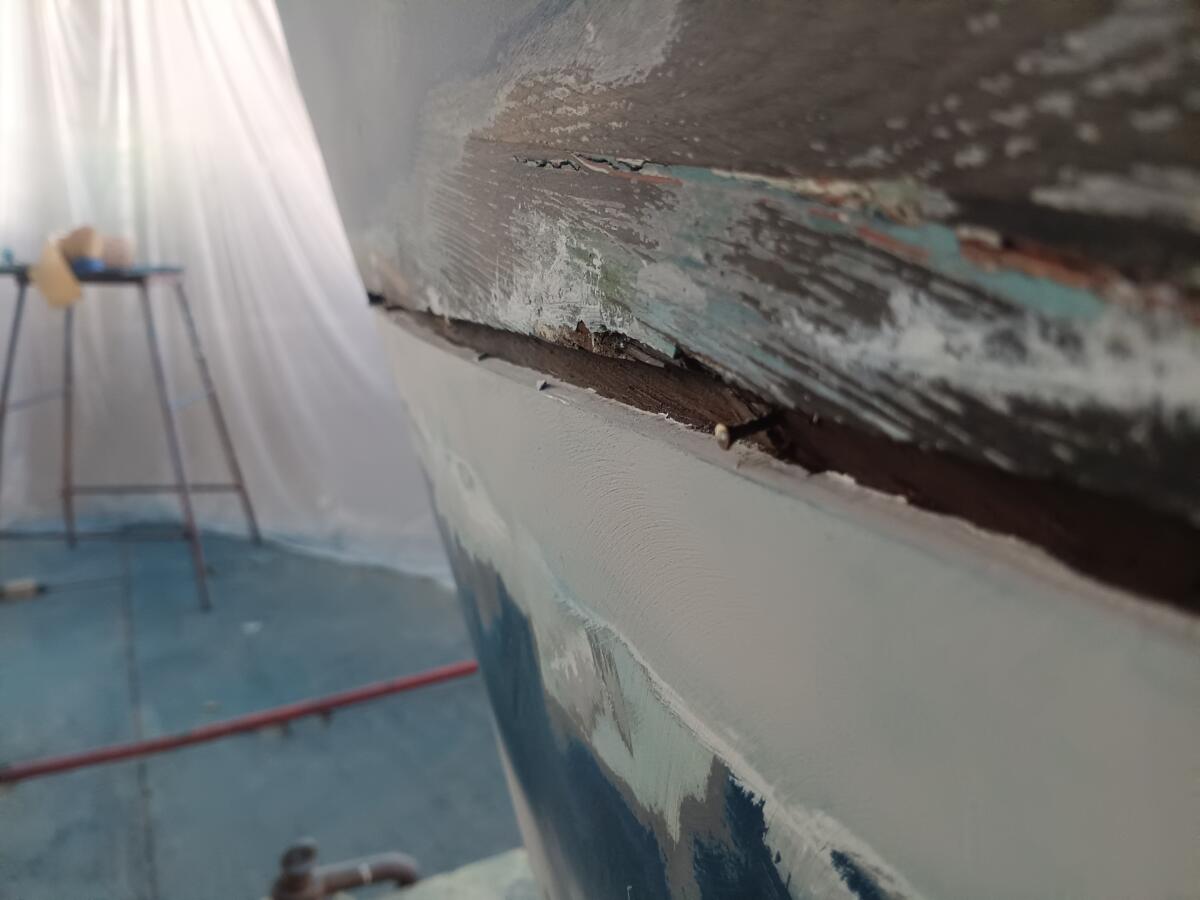
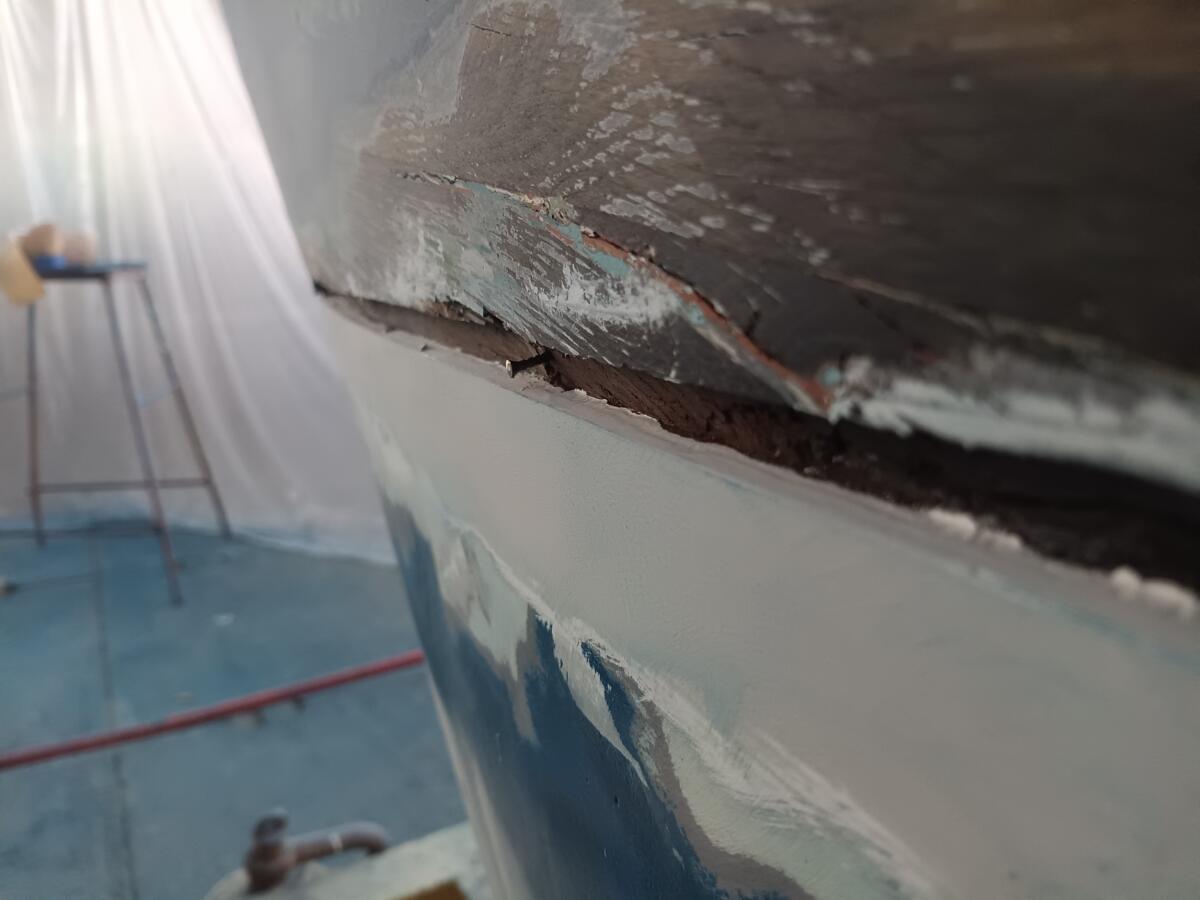
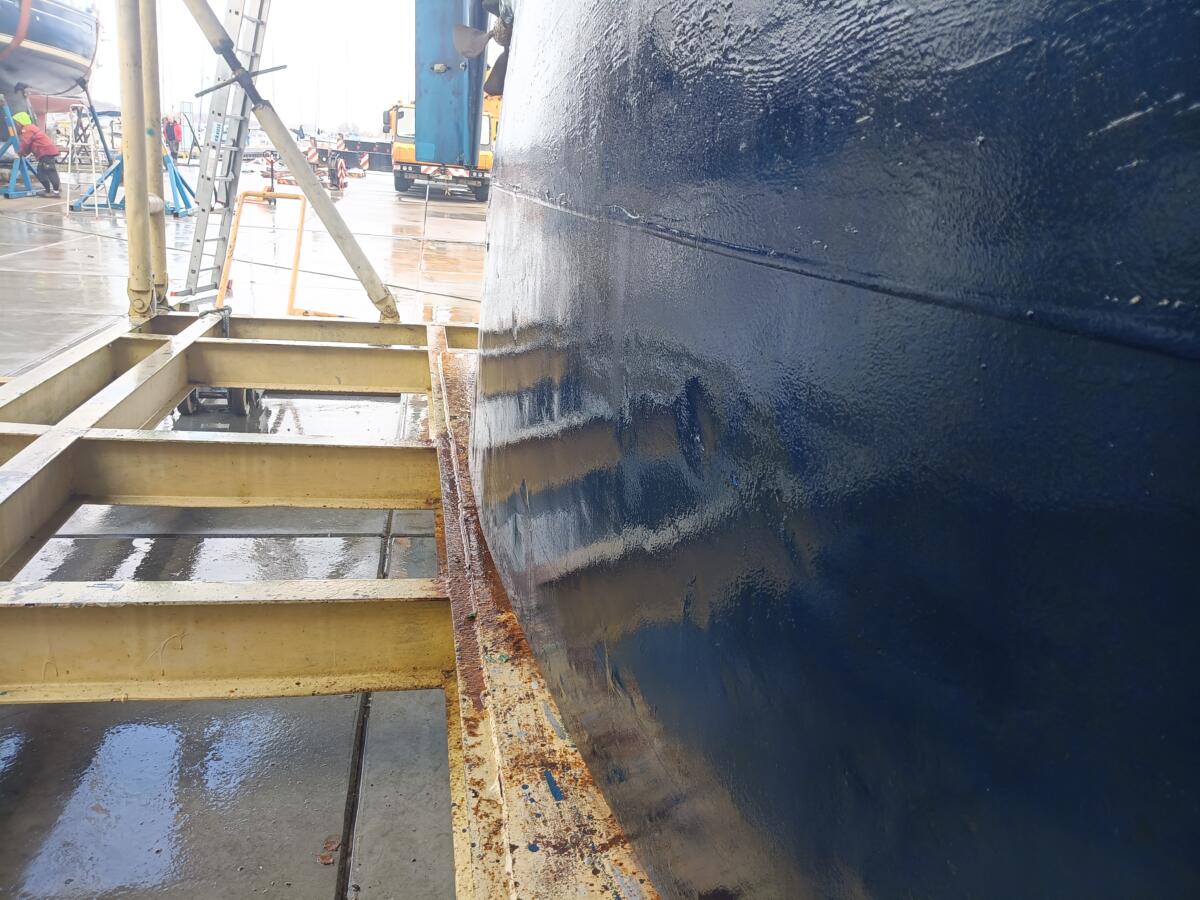
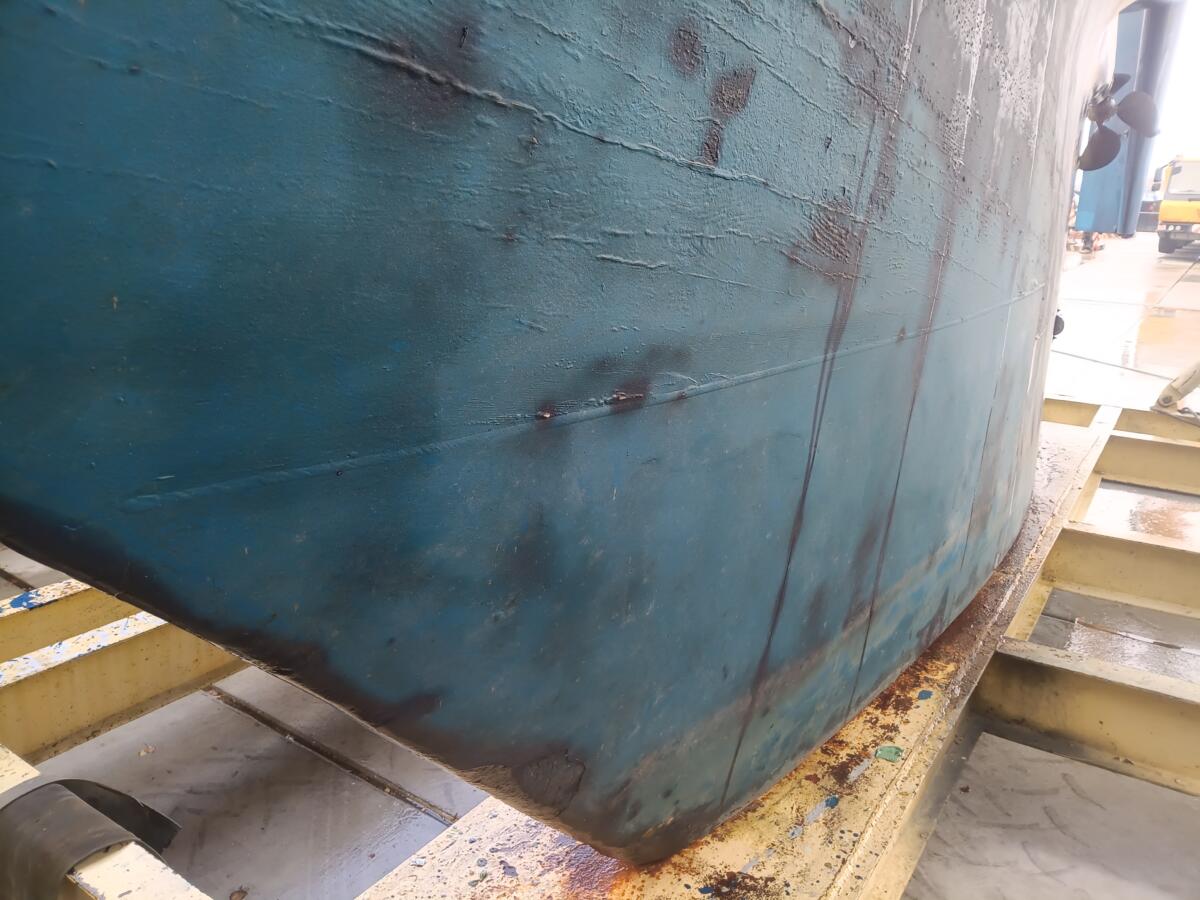
One small, though rather troublesome, issue on wooden yachts is the joint between the keel and the ballast. The keel, keel timber or deadwood usually has substantial dimensions and is subject to considerable movement as the wood dries out over winter and absorbs moisture throughout the sailing season.
This particular patient is a good old Antares, measuring over 18 metres in length and weighing almost 24 tonnes.
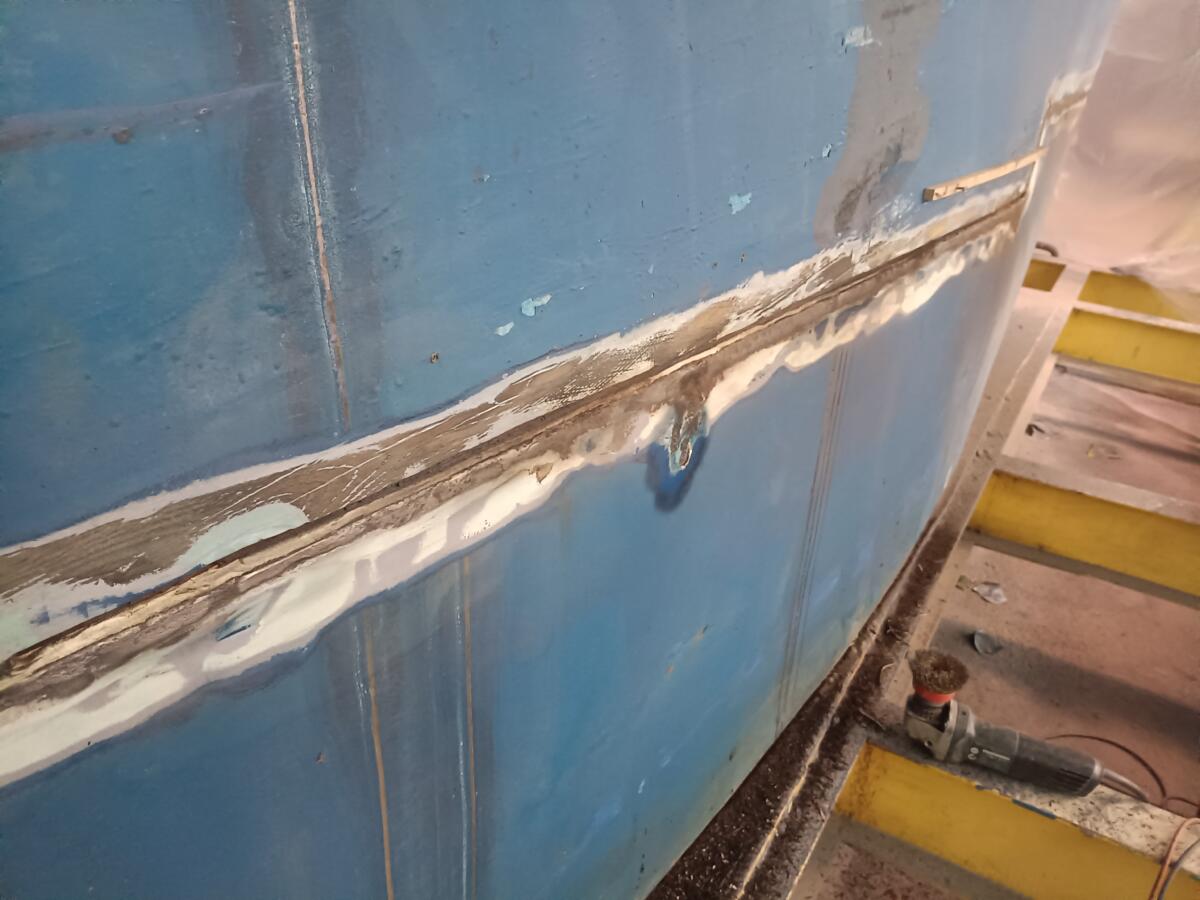
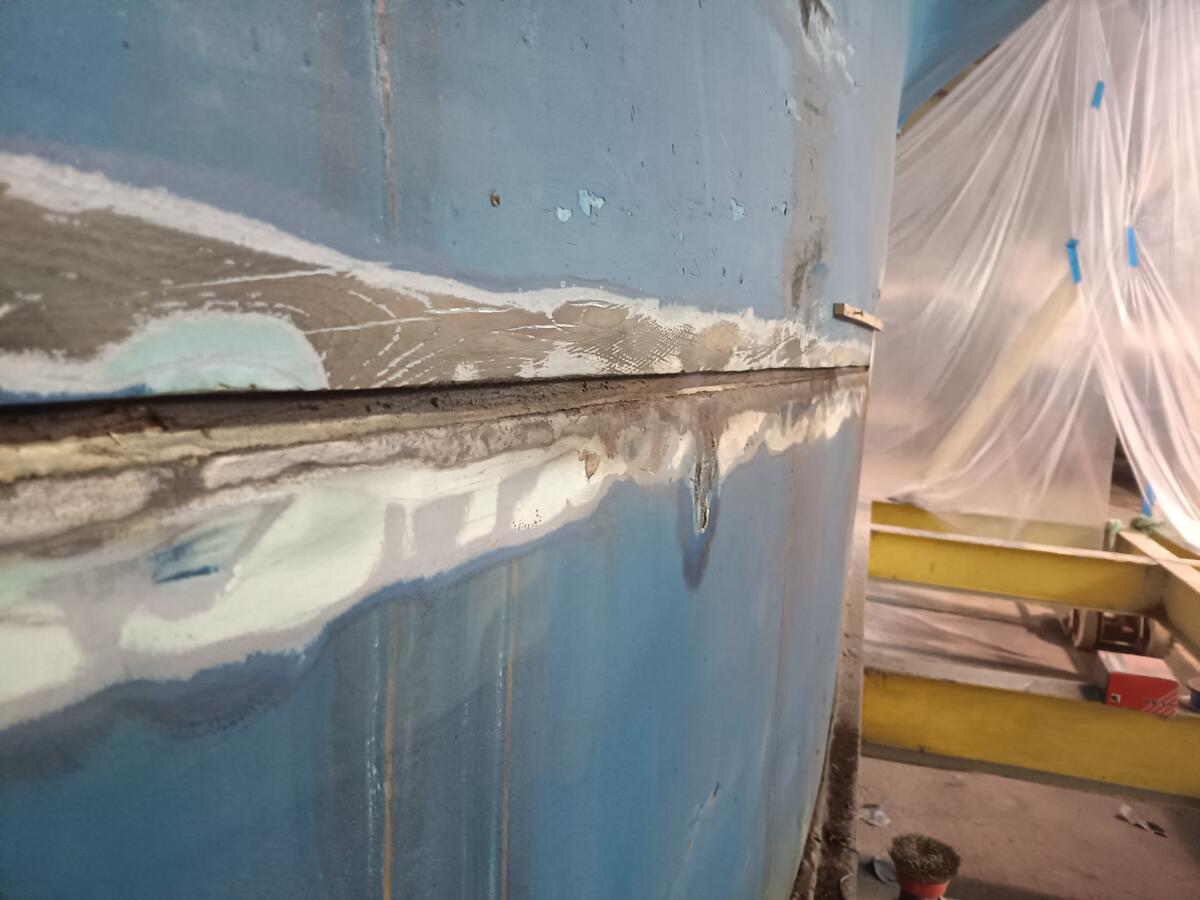
Before I stepped in, rust was running down the entire edge of the ballast. Once the area had been exposed and treated with product X*, it was time to cut a groove into the timber adjoining the ballast. In this case, the groove measured 10 × 10 mm.
A specially taped batten was then used to fill the space, and the fairing work began with epoxy filler. Once the batten had been removed, the groove was primed and filled with Sikaflex.
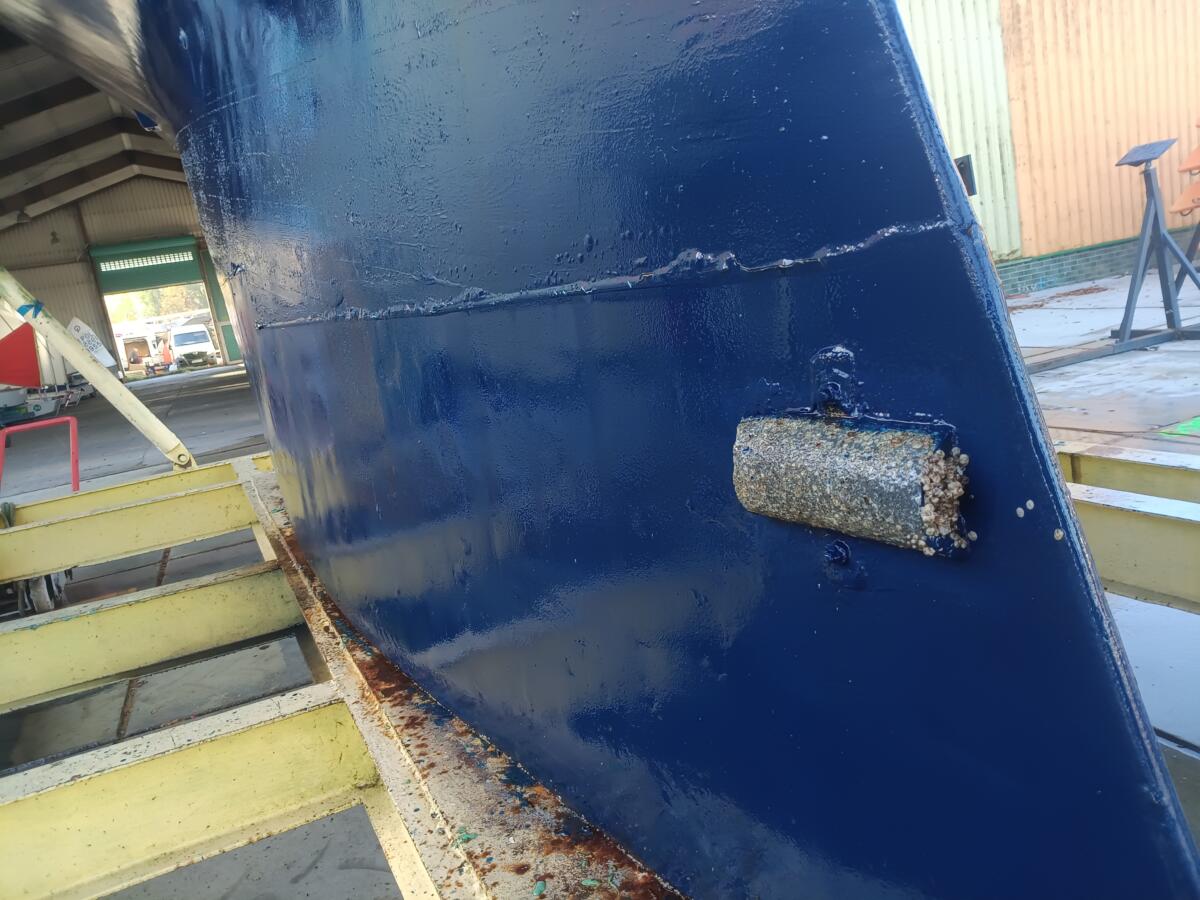
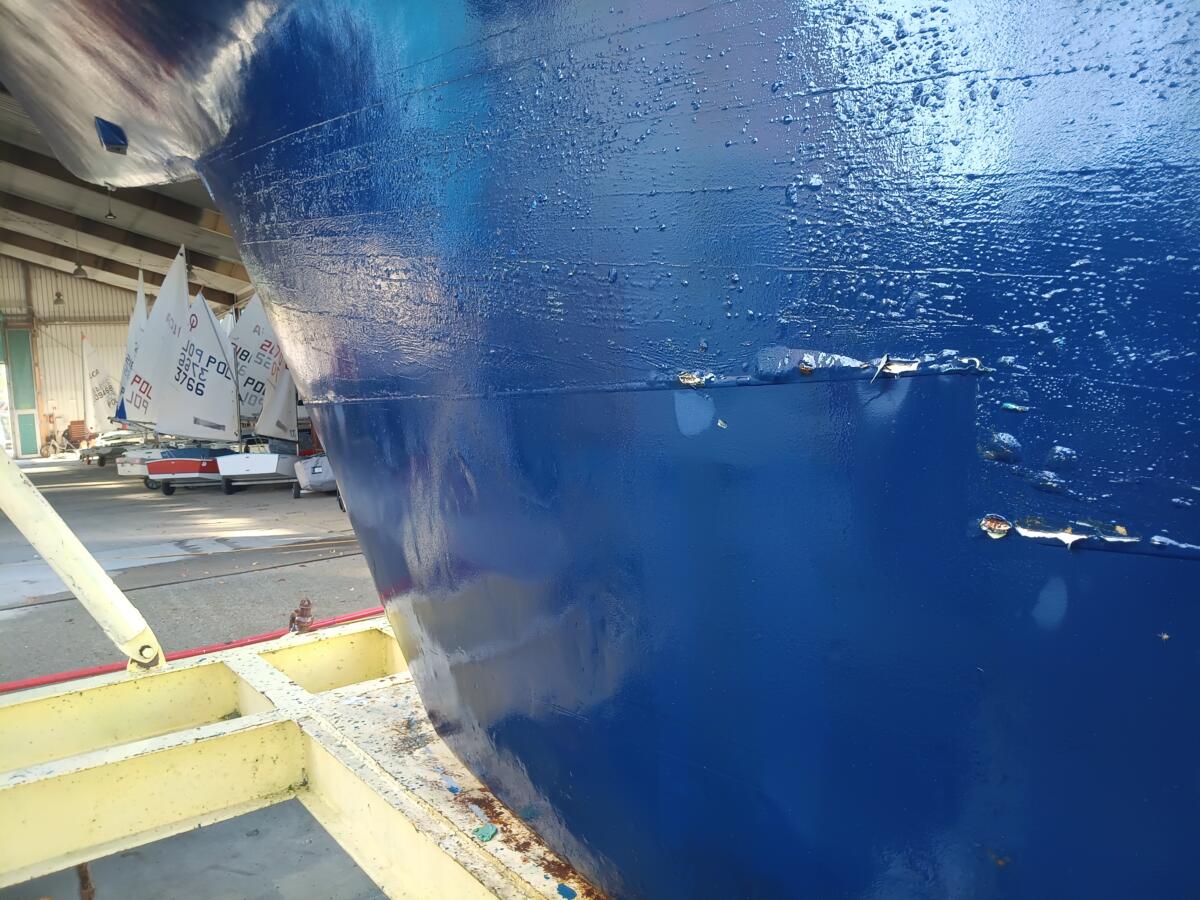
After that, all that remained was painting, and the job was done.
For how long? Time will tell. After two sailing seasons, there is not a trace of rust on the ballast along the keel. The Sikaflex has certainly had to accommodate some movement, but I’m no miracle worker – I can’t stop wood from absorbing water.
The trial of this method is still ongoing. Meanwhile, the underwater hull repairs carried out in previous years are holding up well.
All that’s left is to enjoy the results. After all, good workmanship speaks for itself.
* Some things I prefer to keep to myself. I hope you won’t hold it against me 😉