Layers next
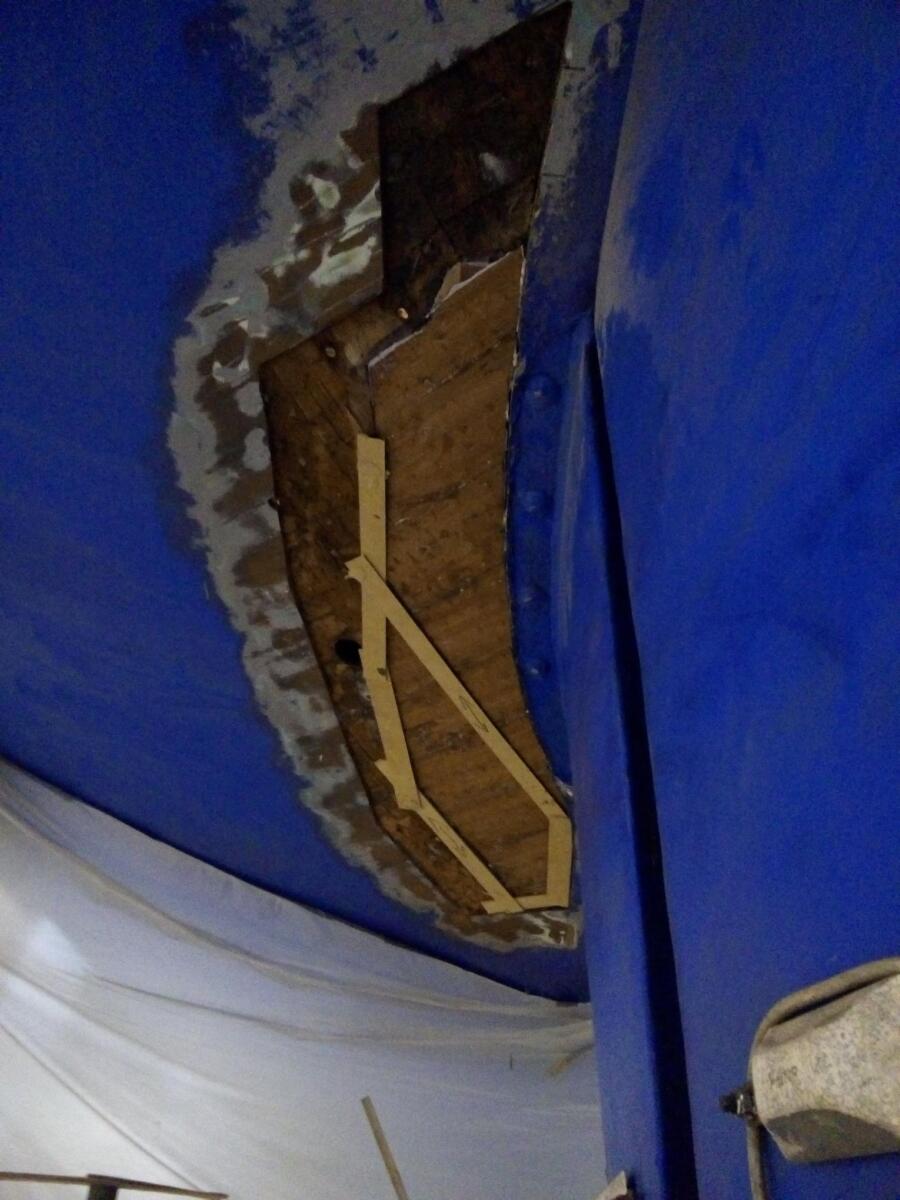
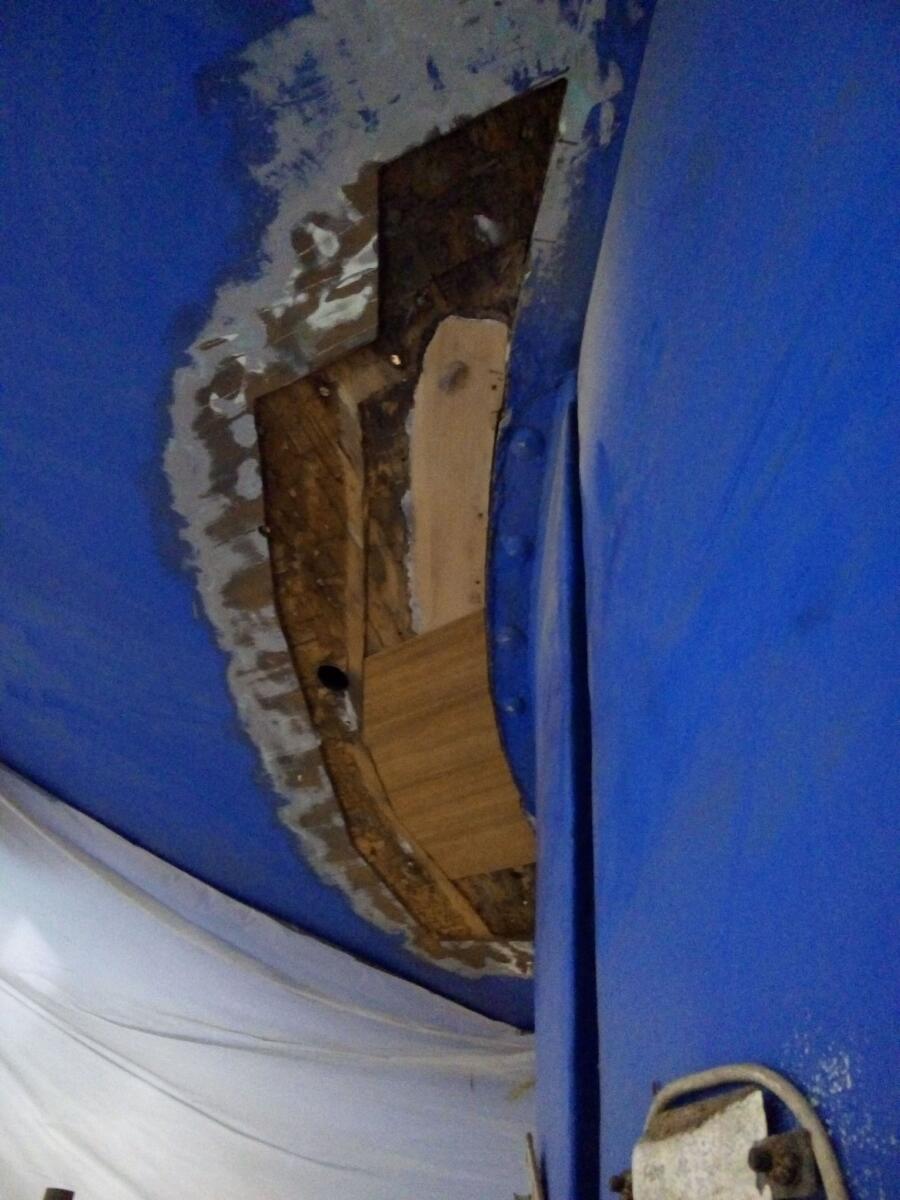
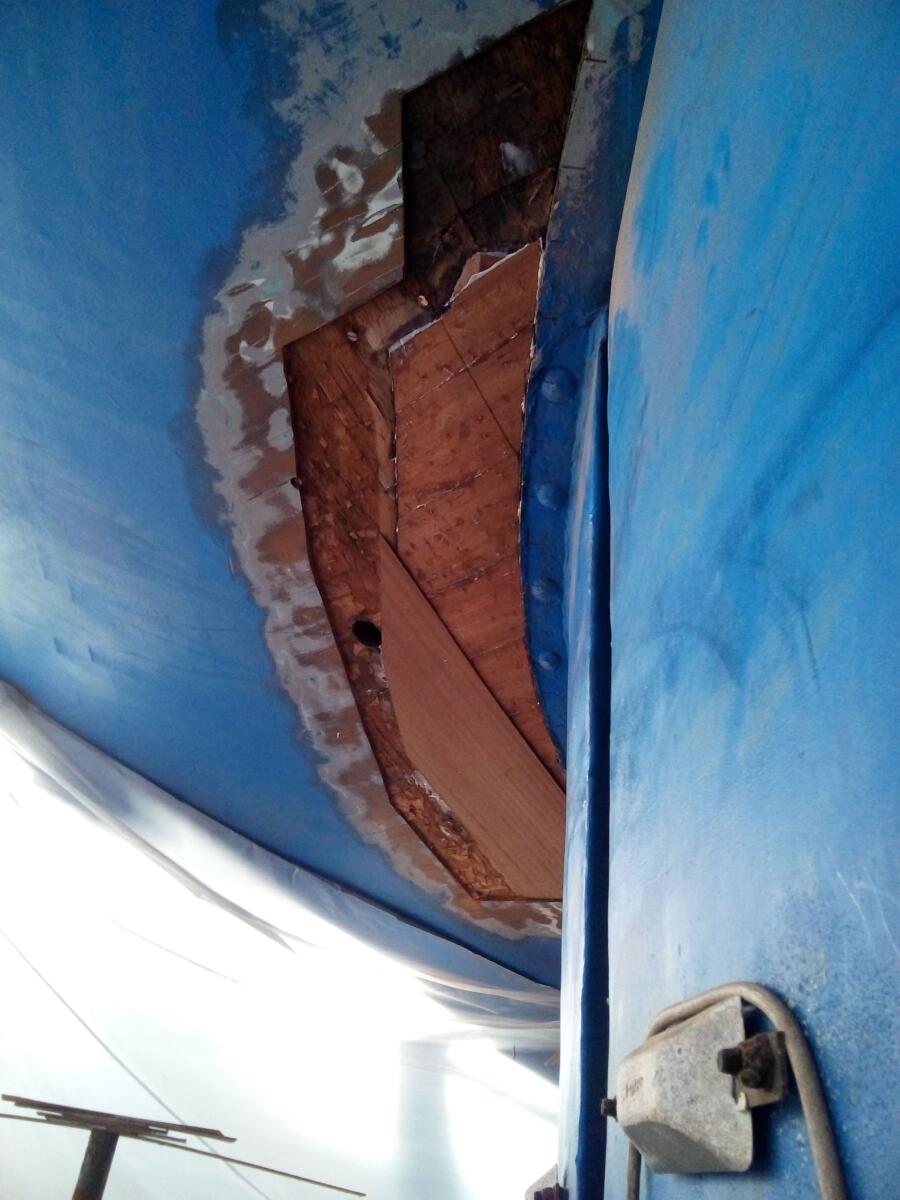
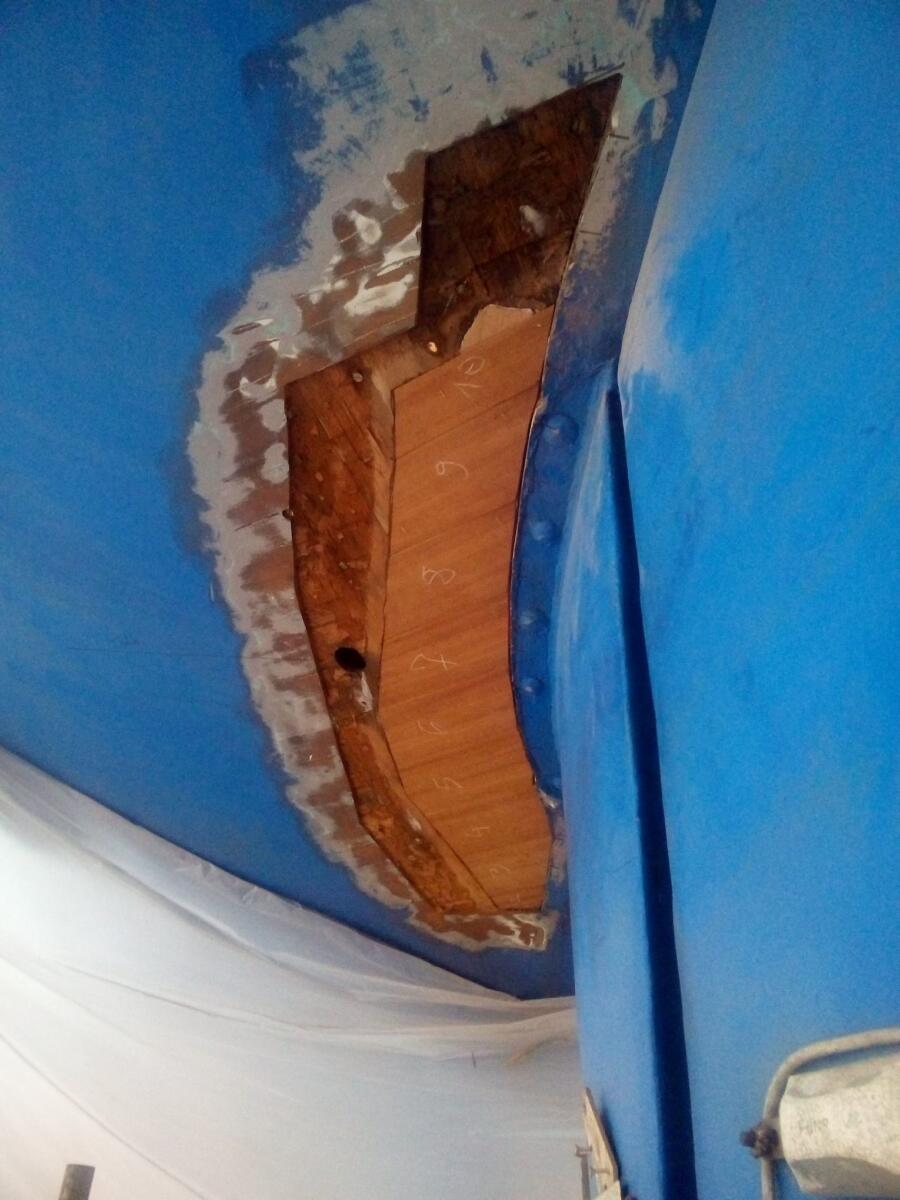
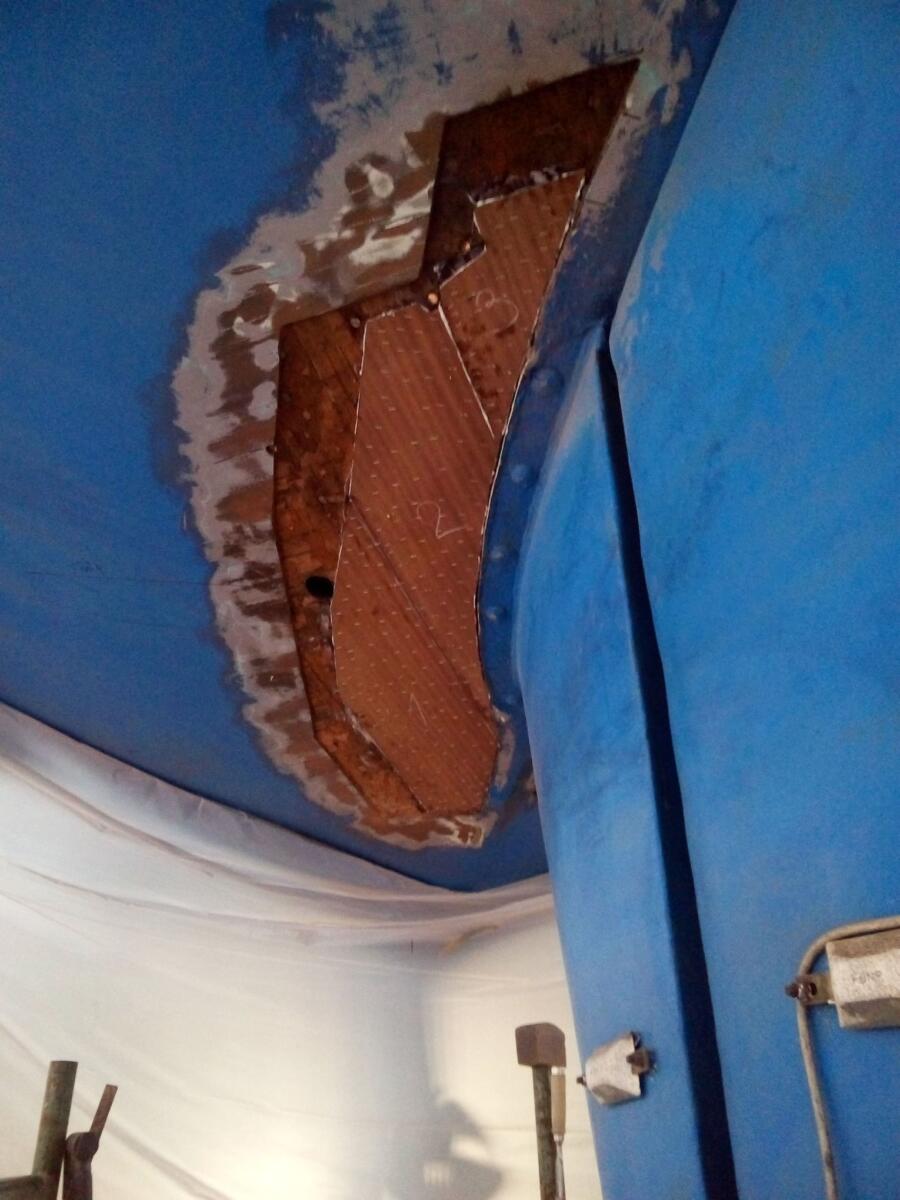
After preparing the pasteboard, it was time to diagonally lay down the veneers. Each layer was striped and glued separately according to the direction of the layers in the fuselage. The striping in the case of the first one was done “hand and eye” leaf by leaf, since we had relatively narrow strips. The “hand flex” beveling was used as the connection to the veneer in the fuselage at a width of about 3cm per layer. In the gluing tact, an important step was to apply a tack coat to the fuselage to fill in all the irregularities and ensure the highest possible bonding force (West System). About 200 staples per side beaten pneumatically directly into the veneer served as pressure. The next layer, translated 90st. from the previous one, required a template. It was attached to the previous one after pulling out the staples, lightly aligning and collecting the allowance on the connecting phase. The last layer is a topic for the next entry
For those who wonder why we don’t use facing I answer.
Veneer, once it exceeds a certain magic thickness, does not become facing. It doesn’t. Obóg can be about 0.3mm thick (e.g. in 1mm 3w aircraft plywood) and veneer is 3.5mm thick. What distinguishes obóg from veneer is the way it is produced. Cladding is sliced from a log round and veneer is sliced flat from a board. For this reason, there are no “striped” upholstery. This is just a curiosity, because in truth, we also sometimes refer to the thick veneers as lambskin 😉 .